Clogged drains are more than just a minor annoyance—they can quickly turn everyday routines into frustrating tasks. Whether it’s water backing up in the kitchen sink or a slow-draining bathroom shower, these issues can create unpleasant odors, unsanitary conditions, and even water damage if left unaddressed. According to the EPA, the average family uses 300 gallons of water per day, so even a minor blockage can waste significant amounts of water over time. Understanding the most common causes of drain clogs and how local plumbers tackle them can help homeowners prevent problems and restore comfort quickly.
1. Hair and Soap Scum Buildups
Bathroom drains are especially prone to clogs caused by hair and soap scum. As hair naturally sheds, it mixes with soap residue to form a sticky, dense mass that can trap other debris, slowly building into a stubborn blockage. Over time, this reduces water flow and can make showering or washing a frustrating experience. Local plumbers often use specialized tools like drain snakes or hydro-jetting to safely and efficiently remove these blockages, restoring proper flow and preventing future problems. Regular maintenance, such as using drain covers, can also help reduce the buildup of hair and soap in the first place.
2. Food Particles and Grease in Kitchen Drains
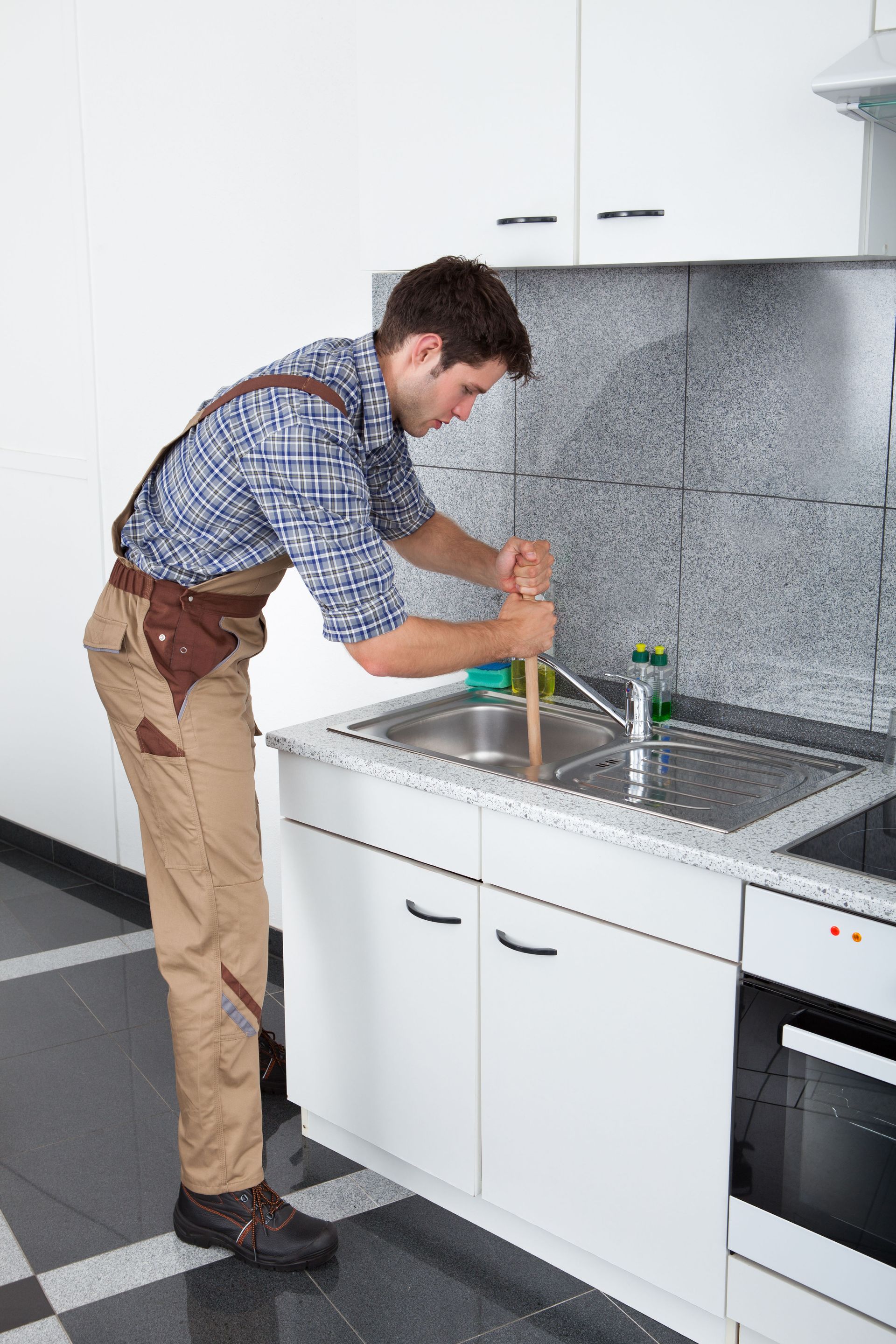
In the kitchen, food scraps and grease are frequent culprits behind clogged drains. While small amounts of waste can go through a garbage disposal, larger items like pasta, eggshells, and fibrous vegetables can cause serious blockages. Grease, poured down the sink as a liquid, may not seem harmful at first—but it eventually cools and hardens, narrowing the pipes and causing long-term issues. Local plumbers use a combination of manual snaking, enzymatic drain cleaners, and other professional methods to safely remove these blockages without damaging the plumbing system. Taking preventative steps, like scraping food into the trash and disposing of grease properly, can also minimize future clogs.
3. Non-Flushable Items in Toilets and Drains
Toilets and drains are sometimes misused as disposal systems for non-flushable items such as wipes, cotton swabs, or feminine hygiene products. Unlike toilet paper, these items do not break down easily and can lead to serious blockages that are difficult to remove. When these issues occur, local plumbers have the expertise and specialized equipment to safely extract these items without damaging pipes, ensuring the plumbing system remains functional and reliable. Educating household members about what can—and cannot—be flushed is a simple way to avoid unnecessary headaches.
Clogged drains are a common yet manageable household problem. By understanding the main causes—hair and soap scum, food and grease, and non-flushable items—homeowners can take preventive measures to keep drains flowing smoothly. When blockages do occur,
local plumbers provide fast, effective, and safe solutions, restoring comfort and functionality to your home. For professional help with any drain issue, contact Anania Plumbing & Heating Inc today.